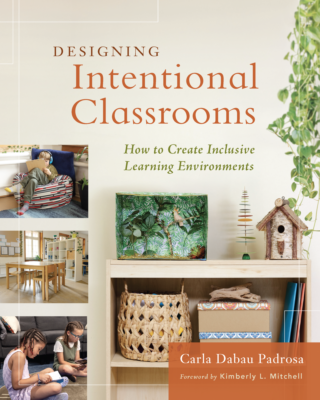
Adapted from Designing Intentional Classrooms by Carla Dabau Padrosa.
When classrooms are predictably organized and materials are accessible, students are more likely to self-regulate and stay engaged. This is especially powerful for neurodiverse learners who rely heavily on routines and visual cues during the day. Research on executive functioning (Diamond 2013) shows that consistent systems help students develop working memory, impulse control, and cognitive flexibility—all critical for learning and growing.
So if you’ve ever wondered whether tidying that shelf matters, it does. Remember, it’s about function. When the space makes sense, students can step up with more independence, and you get to spend your energy on teaching.
How to Optimize for Organization
On a normal day, there is already enough going on. If we can avoid scrambling for that missing name tag, making an extra copy, or sorting through a drawer full of tangled cords and broken rulers, we’re winning. Systems that make sense for your classroom will help students feel more capable and help you feel more prepared and productive.
Here are some teacher-tested ways to keep things simple and smooth (and sanity-saving):
1. Use clear labels with both words and images. Especially in preschools, primary schools, and multilingual classrooms, pairing visuals with texts helps students recognize items and return them independently.
- Bonus tip: Let students help design the labels. It boosts ownership and makes them more likely to use them correctly.
2. Group materials by purpose. Instead of “all the things in all the drawers,” keep supplies in clear categories: art supplies here, math tools there, literacy materials in that zone.
- Why it works: Kids (and you) waste less time wandering and more time getting started.
3. Keep less out in the open, not more. Rotate materials depending on the unit, season, or interest. Store the rest. You’ll be amazed at what you don’t need to display.
- Why it works: Less visual clutter equals calmer brains. And when something “new” reappears, it’s exciting again.
- And while you’re at it: Make sure the materials you decide to display are easy to see and reach. If they’re hidden or buried, they might as well not exist.
4. Have a home for your teacher tools. Pick one shelf, bin, or cabinet that’s solely yours (this is sacred for me). A place where you keep your go-to items, coffee mug, and secret chocolate stash—among a thousand other things, of course.
- Why it works: Your brain needs flow, too. A small, organized teacher corner gives you that.
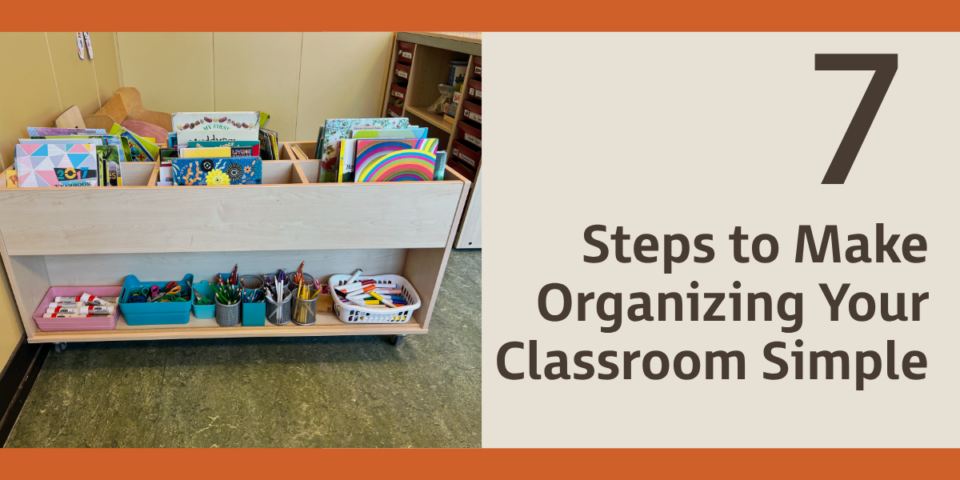
5. Use baskets, trays, and boxes (whatever you’ve got). No need to match everything. Use whatever containers are available: secondhand, donated, even old Tupperware®—to group and separate materials.
- Why it works: Designated homes for items help students clean up more quickly (and more willingly). Keeping supplies minimal and organized like this helps students know exactly where items belong and makes cleanup smoother for everyone.
Fewer options out in the open means less overwhelm, more independence. When we limit items that are accessible early on, students can learn to care for the materials and use them responsibly. As trust grows, we can gradually introduce more options and set up a shared supply shelf or cabinet that students know they can access when they need supplies.
6. Only start systems you can maintain. If it takes you fifteen steps to reset something every afternoon, it’s probably not worth it. Create systems that can run even on your most tired Tuesday.
- Why it works: You’ll actually keep them going—and your students will, too.
Model and reteach
This tip is from my friend Melissa Calvet. Even the best systems don’t run on autopilot. Practice routines, role-play cleanup, and revisit expectations every now and then.
- Why it works: When students can predict what is coming, they feel safer. They understand the behavioral expectations. They treat each other with more care, and they take more ownership of the space. It’s about trust and respect.